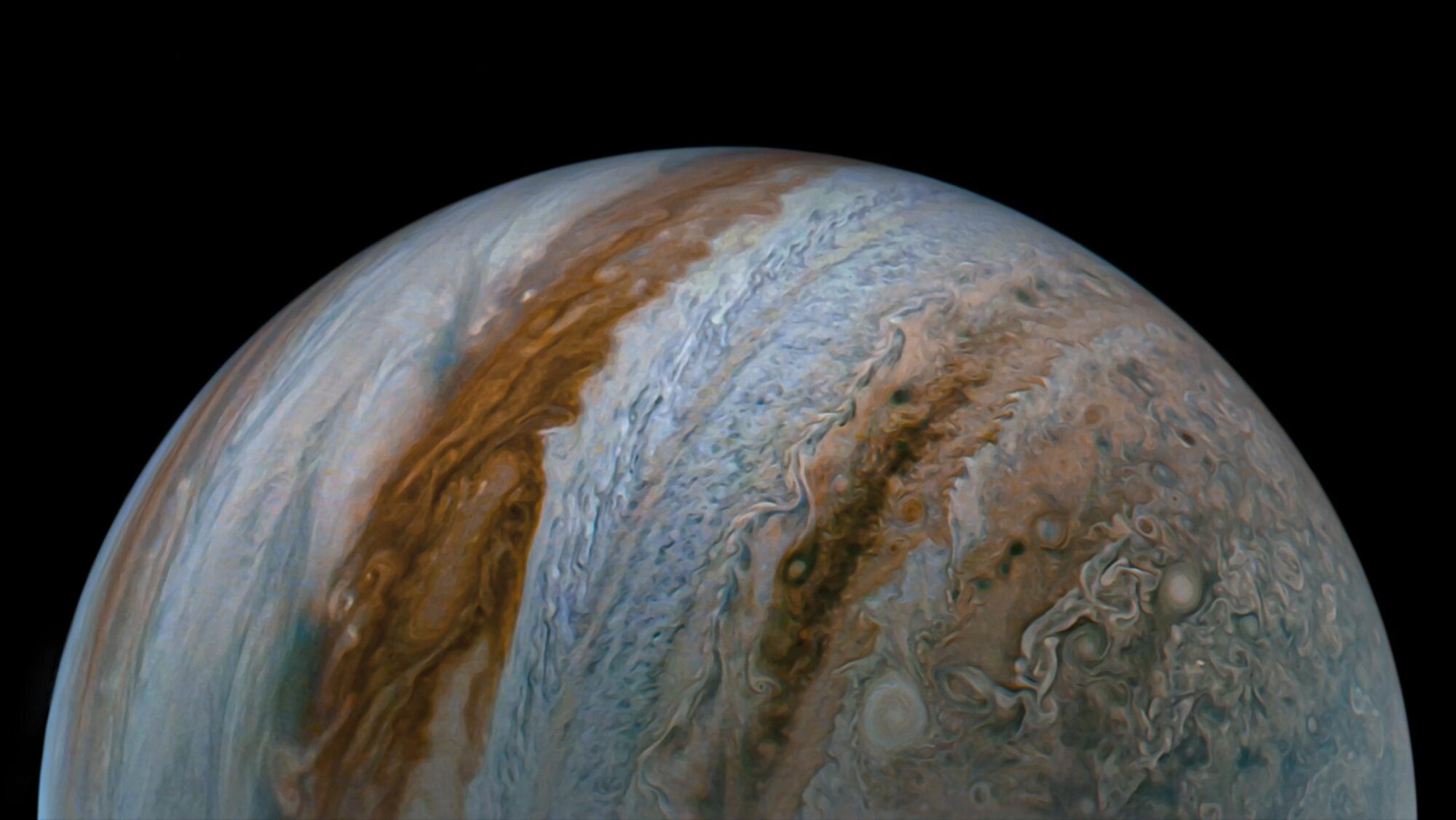
Observe
Real telescope access — including our 8-inch Dobsonian and a shared rig at the Westlake observing site. Bring your eyes; we bring the optics.
Westlake High School · Est. 2024
We're a group of high school students pointing telescopes at the sky, chasing meteors, and doing real citizen science — one clear night at a time.
September 2026 · This month in the cosmos
There are more stars in the observable universe than grains of sand on all of Earth's beaches.
By the numbers
mi to the Sun
mi to the Moon
ly to Proxima Centauri
ly to the Andromeda Galaxy
Did you know
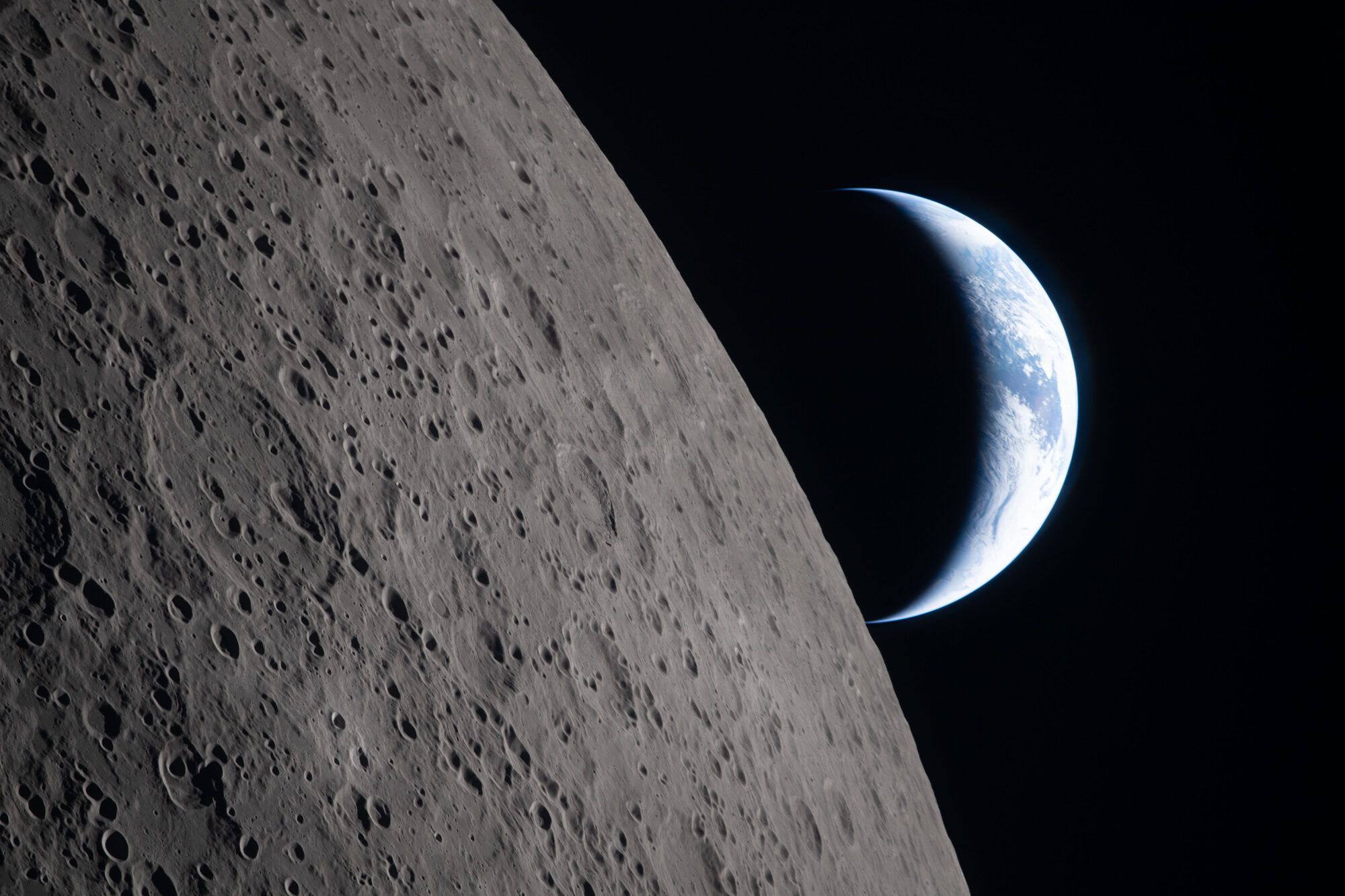
The Moon is drifting away from Earth by about 1.5 inches every year.
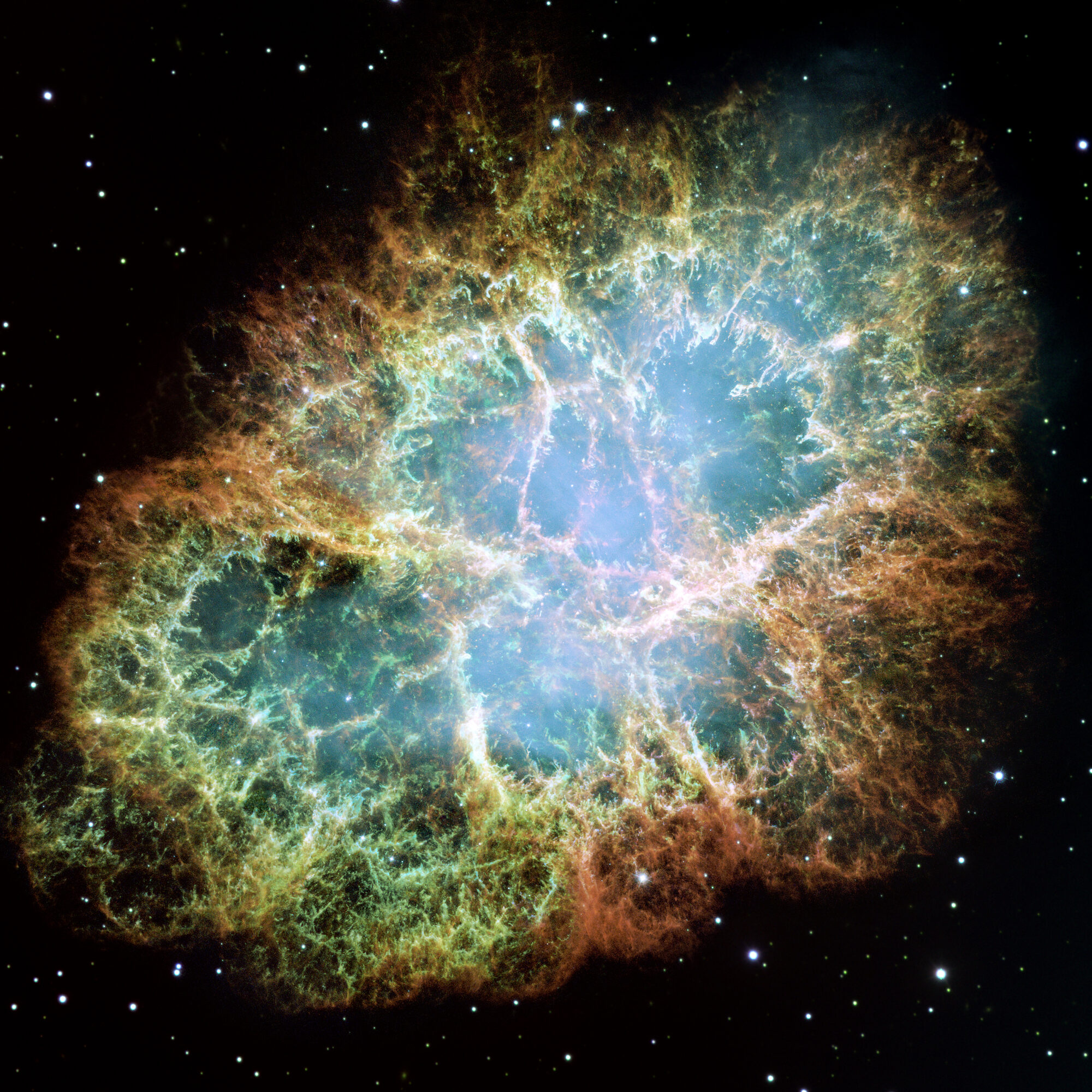
The Crab Nebula is the debris of a supernova that people on Earth actually saw explode in 1054 AD.
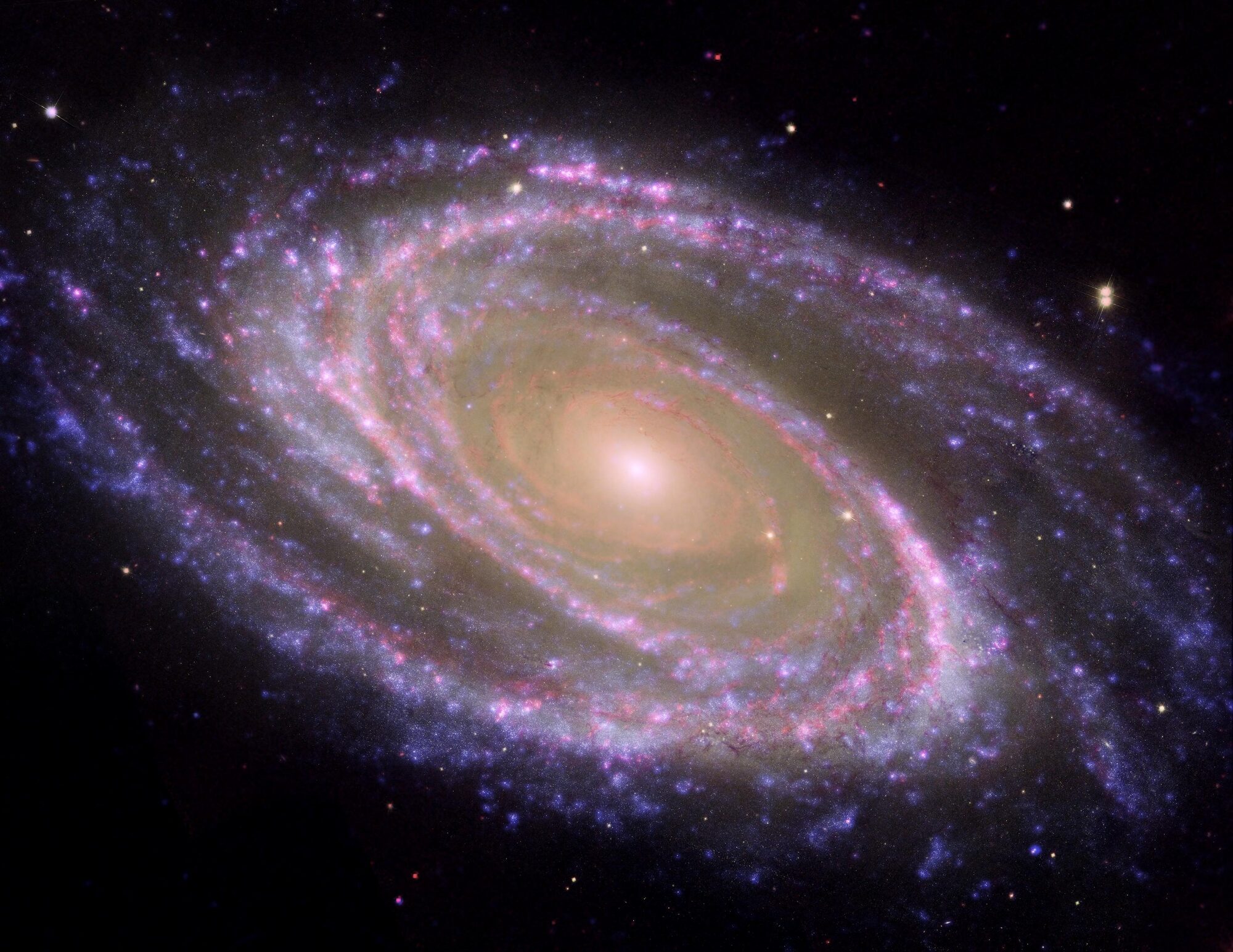
Bode's Galaxy is 12 million light-years away — visible with binoculars on a dark night.
What we do
Real telescope access — including our 8-inch Dobsonian and a shared rig at the Westlake observing site. Bring your eyes; we bring the optics.
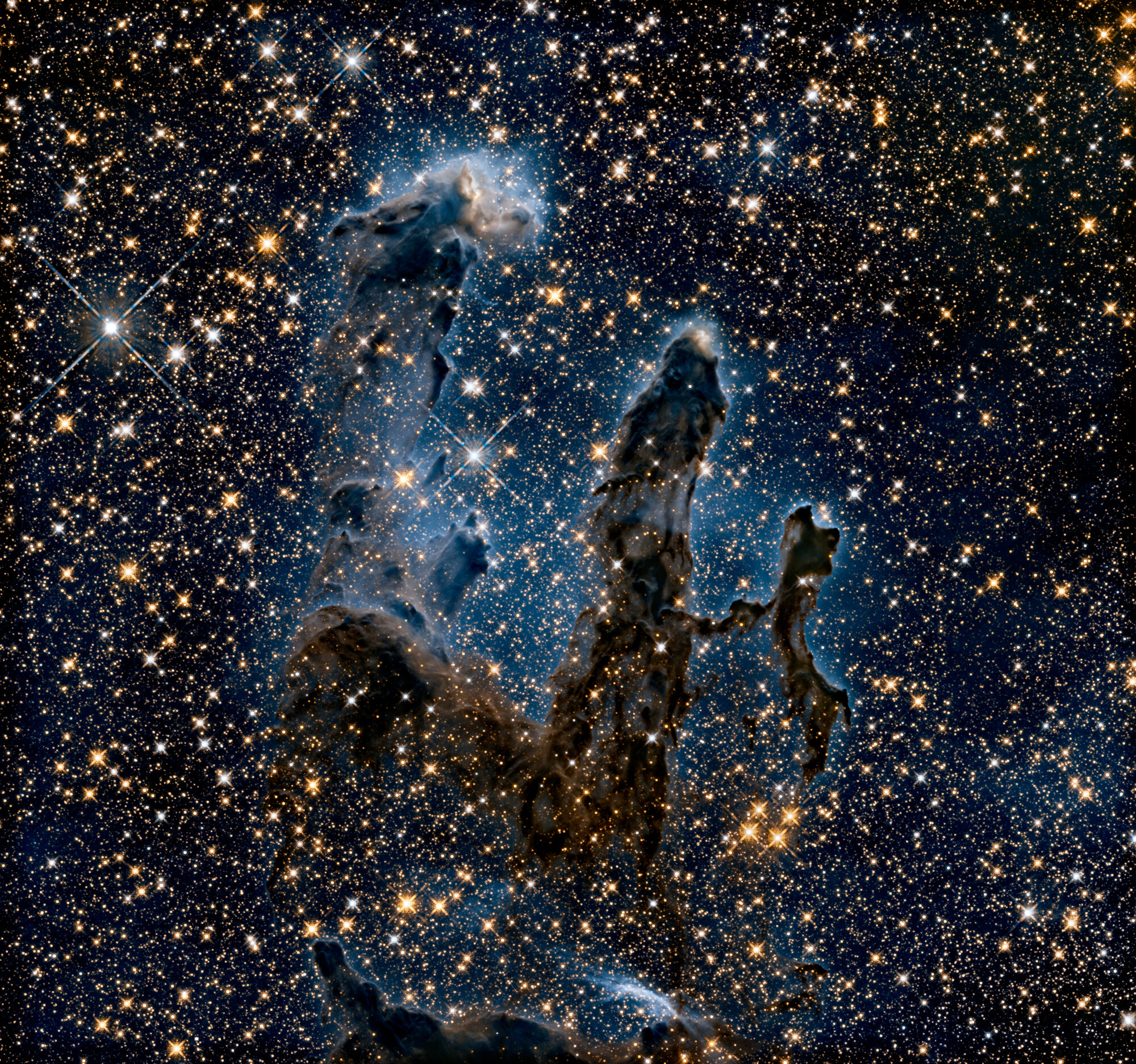
Weekly citizen science via Zooniverse — classify galaxies, spot exoplanet transits, and hunt supernovae alongside working researchers.
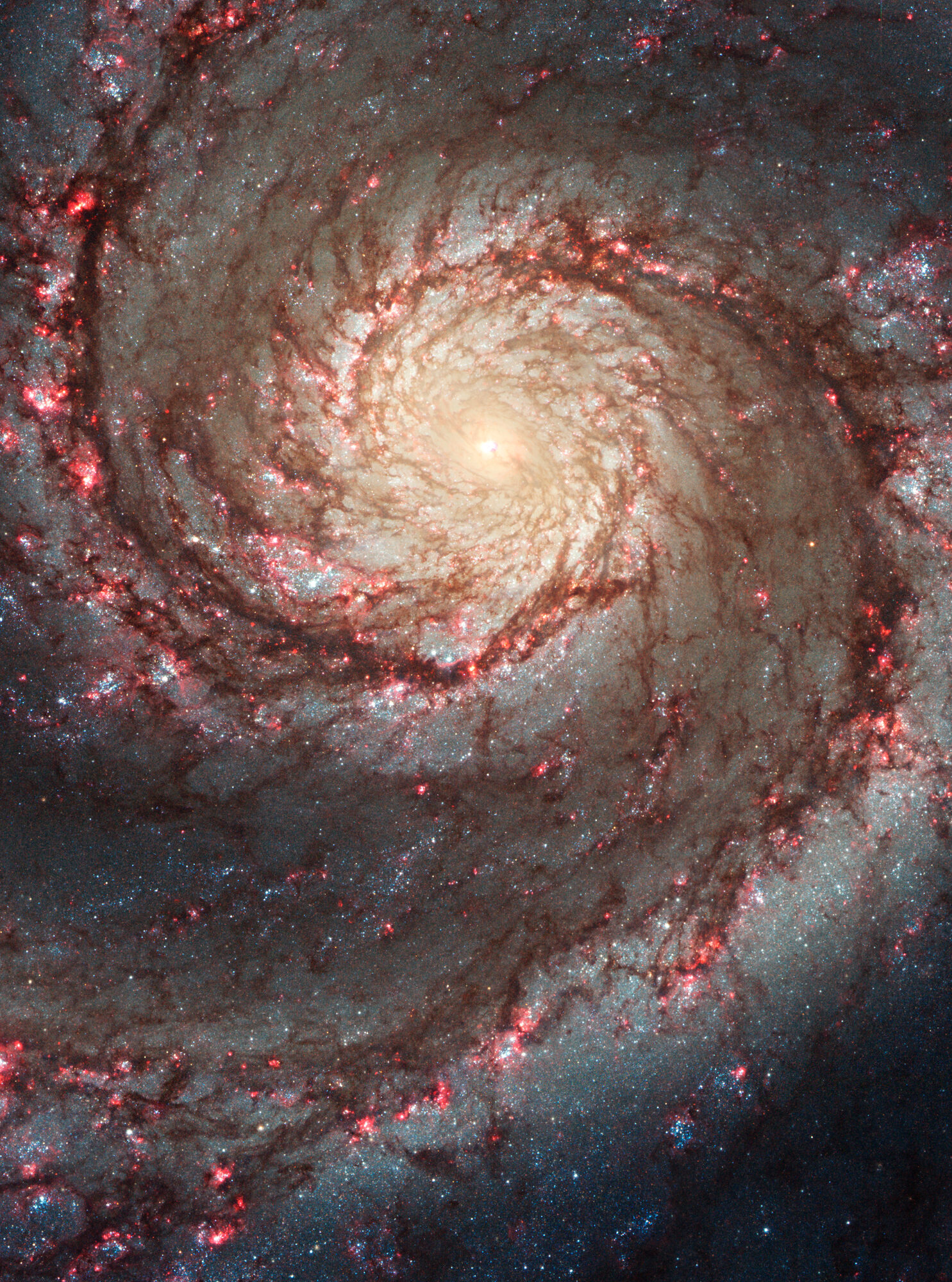
A community of curious students. Star parties, meetups, and a group chat that stays awake as late as the sky does.
"From the games we played at the club to the laughs we shared, each meeting was informative and a great time."
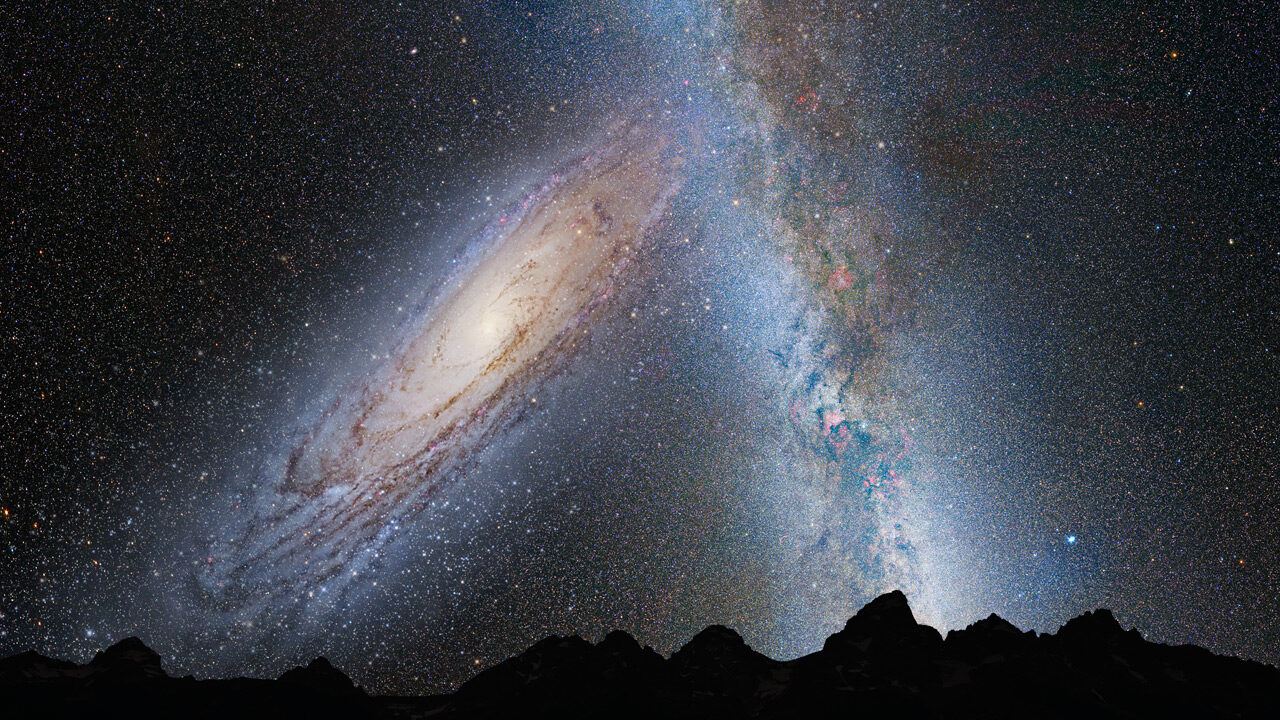
4.5 billion years from now
The Milky Way and Andromeda will merge into a single galaxy — and the night sky will never look the same again.
Explore